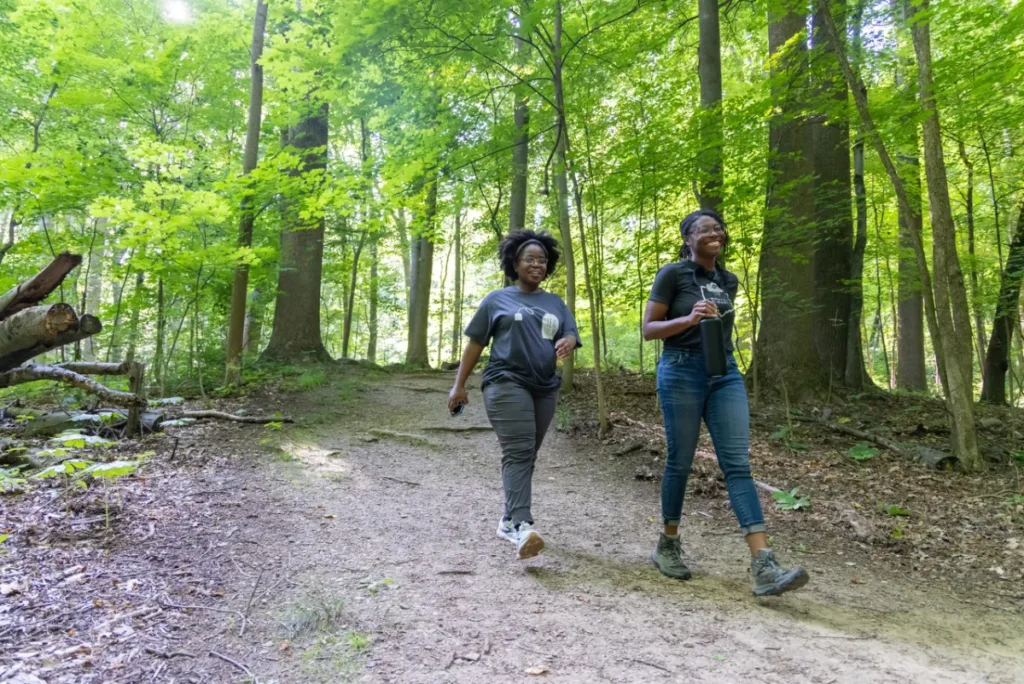
Walking is the simplest health tool we ignore, yet it changes everything. One hour of walking daily can calm your mind, balance your hormones, protect your heart, improve sleep, boost mood, and strengthen confidence.
You don’t need a gym membership, fancy shoes, or perfect timing—just yourself and the willingness to move. When a woman walks, she takes control of her body, her thoughts, and her future. It’s time to step outside, breathe, and walk your way into a stronger, healthier life.
👣 1. Walking Balances Female Hormones
Women’s bodies run on delicate hormonal cycles (estrogen, progesterone, cortisol, insulin, thyroid hormones).
Walking helps by:
✔ Reducing cortisol (stress hormone)
✔ Improving insulin sensitivity (controls weight & cravings)
✔ Supporting thyroid function (energy & metabolism)
✔ Stabilizing estrogen levels (PMS & menopause support)
This is why women who walk regularly often report:
fewer mood swings
less bloating
better sleep
more emotional stability.
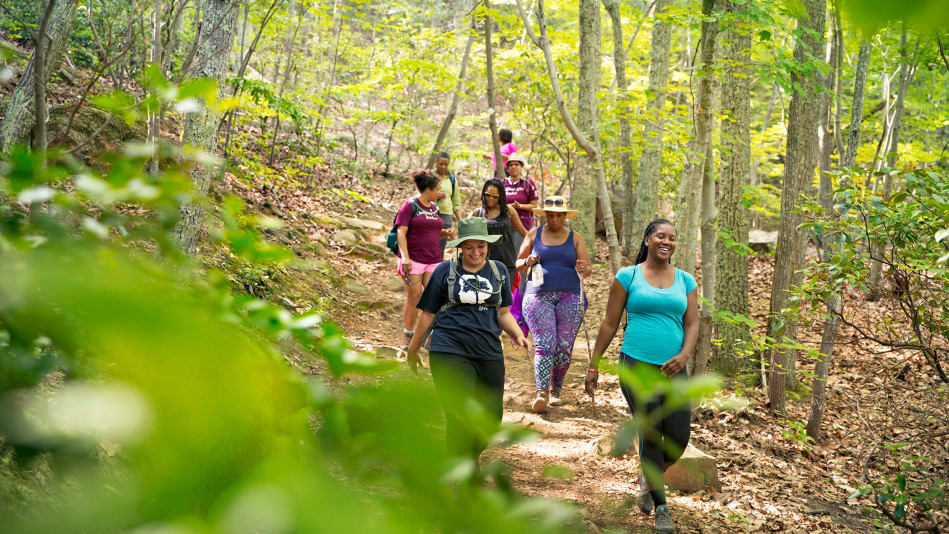
- Walking Stabilizes the Female Mind
Women face high overload from:
relationships, family expectations, work & studies, motherhood and emotional labor.
Walking stimulates dopamine and serotonin, which:
✔ Reduce depression & anxiety
✔ Improve self-confidence
✔ Increase emotional resilience
✔ Enhance memory & focus
One hour of walking can act like natural therapy. It’s actually a natural therapy from my own experience.
- Protects the Heart & Blood Circulation
Heart disease silently affects many women, especially after 30 and post-pregnancy.
Walking daily:
✔ lowers blood pressure
✔ improves cholesterol ratio
✔ strengthens the heart muscle
✔ improves blood flow to the legs & brain
Women who walk have a lower risk of stroke, which is becoming common in younger African women due to stress plus unhealthy diet.
- Supports Reproductive & Sexual Health
Blood flow matters for reproductive organs.
Walking improves circulation to the:
uterus
ovaries
pelvic floor
vagina
This helps with:
✔ menstrual pain relief
✔ fertility support
✔ vaginal lubrication
✔ sexual arousal
✔ pelvic stability during pregnancy
Sedentary living makes the pelvis stiff, painful and under-circulated, affecting sexual confidence.
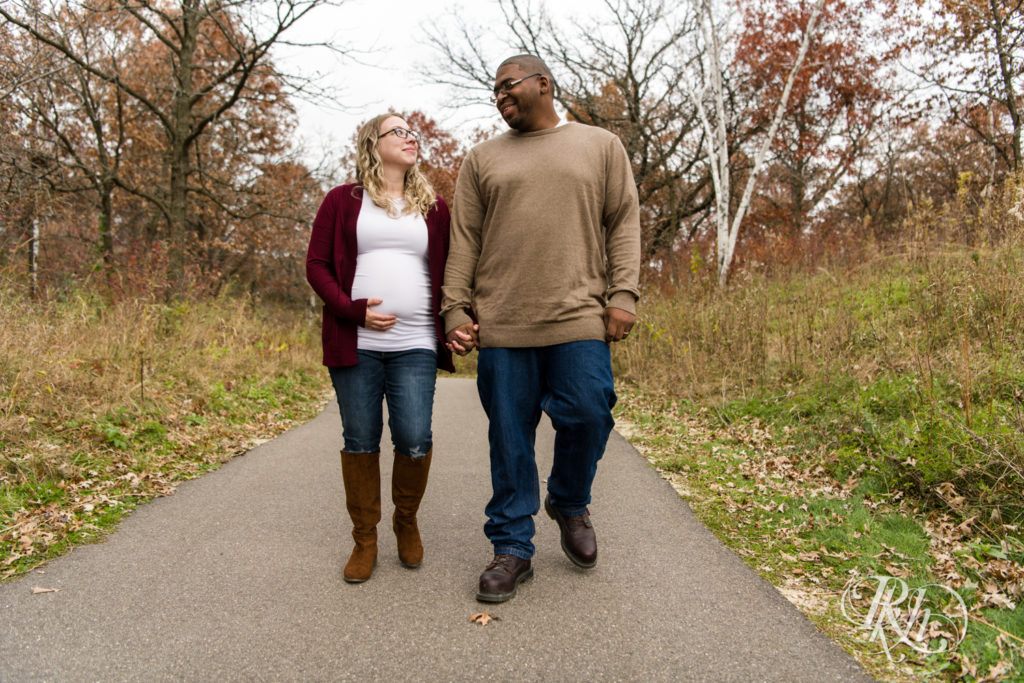
- Controls Weight Without Punishing the Body
Women’s metabolism is different from men’s.
While heavy exercise spikes hunger & stress hormones, walking:
✔ burns fat gently
✔ preserves muscle
✔ reduces cravings
✔ prevents abdominal fat (linked to hormonal imbalance)
One hour is enough to shift weight over time without damaging knees or stressing the nervous system.
- Reduces Risk of Chronic Diseases in Women
Daily walking lowers the risk of:
Type 2 Diabetes
Hypertension
Stroke
Osteoporosis
Breast cancer
Anxiety & Depression
Dementia (memory loss)
Varicose veins
Women past 35 benefit even more because walking keeps bones strong and prevents hip/knee problems later in life.
- Improves Breathing & Skin
Walking increases oxygen circulation, which:
✔ clears the mind
✔ improves lung capacity
✔ brightens the skin
✔ reduces chronic fatigue
✔ improves sleep quality
Women who walk often look younger because oxygen helps collagen production and blood flow to the face.
- Builds Discipline & Personal Power
Women who walk learn:
✔ consistency
✔ independence
✔ daily self-care
✔ mental strength
Walking also gives you alone time for thinking, which many women lack.
Sometimes you need 1 hour alone to reset, not emails, phone calls, or cooking.

- Practical Benefits for African Women
In African countries walking helps because it:
✔ doesn’t need a gym
✔ doesn’t need money
✔ doesn’t need equipment
✔ can be done at any age
✔ is pregnancy-friendly
✔ is safe for postpartum recovery
Walking is accessible health, not luxury health.
For maximum benefits, adopt this strategy for active walking;
- Walk in the Sun (Morning Sun is Medicine)
Best time: 7:00am – 10:00am
Why:
boosts Vitamin D
balances hormones
improves sleep at night
increases serotonin (happiness hormone)
Even 10–20 minutes of sunlight during your walk is powerful.
- Choose a Peaceful Environment When Possible
There’s no strict rule — both streets and farms work — but they influence your brain differently:
🌿 Nature/Farm/Rural Paths:
lowers anxiety
clears the mind
improves creativity
reduces stress hormones
🏙 Town/Street Walking:
improves alertness
trains focus and awareness
convenient if you live in town
Ideal: Nature wins for mental health, but convenience matters — walking anywhere is still victory.
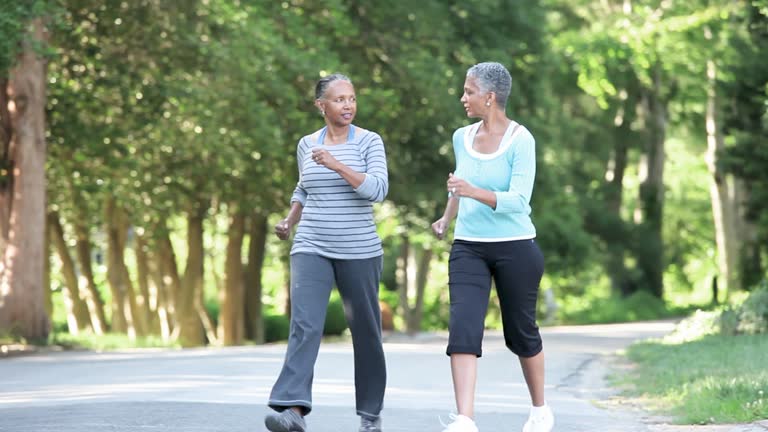
- Walk With a Friend… But Not Always
Walking with someone can help with:
motivation
consistency
emotional support
bonding
But solo walking is also important:
you process thoughts
you reconnect with yourself
you practice mindfulness
Balance both:
Walk with a friend sometimes for accountability, walk alone for peace.
- Add Pace Variations (Interval Walking)
To burn more fat and improve fitness, do this simple pattern:
2 minutes normal pace
1 minute fast pace (almost jogging)
Repeat for the whole walk.
This increases:
✔ heart health
✔ metabolism
✔ calorie burn
✔ stamina
- Don’t Run Unless You Want To
Running is optional — not required.
Walking already works wonders for women’s hormones and joints.
But if you want:
Try walk-jog intervals, like:
Walk 3 mins
Jog 1 min
Repeat
This protects your knees and avoids burnout.
- Listen to Something Powerful While Walking
You can feed your mind while feeding your body:
Try:
🎧 motivational audios
🎧 spiritual music
🎧 educational podcasts
🎧 affirmations
This creates mental transformation + physical health at the same time.
- Carry Water — Hydration Changes Energy
Take small sips.
Dehydration makes you tired and dizzy, especially under sun.
- Use Proper Shoes
Good shoes = less knee/ankle pain.
You don’t need expensive sneakers — just comfortable ones.
- Add Gentle Arm Movement
Swing your arms naturally — this improves:
✔ heart rate
✔ oxygen flow
✔ core activation
Women often walk with arms stiff — that steals benefits.
- End With 5 Minutes Stretching
Focus on:
calves
thighs
hamstrings
hips
lower back
Stretching helps with:
✔ flexibility
✔ posture
✔ reduced soreness
✔ hormone balance (through deep breathing)
Avoid walking late at night alone for safety — if evening is your only time, walk with a friend, group, or in a safe open area.
WHAT HAPPENS IF YOU DON’T WALK?
Understand the Cost of a Sedentary Life.
Walking is the simplest and most natural form of movement our bodies were designed for. Yet in modern life, many people spend hours sitting, driving, scrolling, working at desks, or lying down without much physical activity.
When walking is removed from daily life, the body and mind begin to pay the price quietly over time. Here is what actually happens when a person doesn’t walk enough.
- Muscles Become Weak and Tight
When you don’t walk, the muscles of the legs, hips, and core begin to lose strength. The body becomes stiff, balance reduces, and simple tasks like climbing stairs or standing for long periods become difficult.
Over time, muscle weakness increases the risk of falls, joint pain, and lower-back discomfort.
- Weight Gain and Metabolic Slowdown
Walking helps burn calories and regulate insulin. Without it:
metabolism slows down
fat storage increases
appetite control becomes weaker
This makes weight gain easier even when eating normally. Lack of movement also increases the risk of metabolic diseases like type 2 diabetes.
- Higher Risk of Heart Disease
The heart is a muscle that stays healthy through movement. When you live a sedentary life:
blood circulation slows
cholesterol levels worsen
blood pressure increases
arteries stiffen
These changes raise the risk of heart disease, stroke, and hypertension (high blood pressure ) which are among the leading causes of death worldwide.

- Poor Mental Health and Mood Changes
Walking improves blood flow to the brain and increases hormones that support emotional balance. Without regular movement, people are more likely to experience:
anxiety
depression
irritability
brain fog
poor sleep
low self-esteem
Even short walks can improve mood, reduce stress, and sharpen mental clarity.
- Hormonal Imbalance (Especially in Women)
Women who do not walk regularly may struggle with hormonal imbalances related to:
stress hormones (cortisol)
reproductive hormones (estrogen/progesterone)
thyroid function
insulin regulation
Walking helps stabilize these systems naturally, which benefits menstrual health, fertility, sleep, and emotional stability.
- Weak Bones and Joint Problems
Physical activity like walking stimulates the bones and joints to stay strong. Without it:
bones lose density (risking osteoporosis)
joints stiffen and become painful
cartilage wears down
arthritis symptoms worsen
Just 30–60 minutes of walking daily strengthens bones and lubricates joints.
- Reduced Lung Capacity and Low Energy
Lack of movement weakens the cardiovascular and respiratory systems. This causes:
low stamina
shortness of breath
frequent fatigue
difficulty with physical tasks
People who don’t walk often feel tired not because they do too much, but because they do too little.
- Increased Risk of Early Death
Research shows that prolonged sedentary living significantly increases the risk of early mortality, even for people who are not overweight. Walking plays a major role in preventing chronic diseases that shorten lifespan.
The Human Body is Built for Movement
Note: walking doesn’t just affect the legs — it affects the entire body, from hormones and metabolism to heart health and mental well-being. The good news is that walking is simple, free, and available to almost everyone. Just 30–60 minutes of walking a day can reverse many of the harmful effects of a sedentary lifestyle and dramatically improve overall health.
Walking is not just exercise; it is one of the most powerful forms of prevention and self-care.